Source Insulated Sport Bike Water Bottle with Lid for Travel Camping Outdoor
Find 30 verified options for an insulated sport bike water bottle with lid designed for travel, camping, and gym use. Buyers can compare stainless steel models with double-wall thermal insulation, various capacities, and OEM customization services from suppliers in Zhejiang.
Key considerations
Products List



Comprehensive Sourcing Guide
Sourcing Guide for Insulated Sport Bike Water Bottles with Lid
Technical Specifications and Material Integrity
When sourcing an insulated sport bike water bottle with a lid, the primary technical focus must be on the material composition and the structural design that ensures durability during high-impact activities. The core material observed in high-quality units is stainless steel, which provides the necessary rigidity to withstand drops and the thermal properties required for temperature retention. A critical technical distinction in this category is the double-wall construction. This feature is not merely a design choice but a functional requirement for thermal insulation, creating a vacuum or air gap between the inner and outer walls to prevent heat transfer. Buyers should verify that the product description explicitly states "Double Wall" construction, as single-wall steel bottles cannot achieve the 24-hour insulation performance often advertised for sport-grade containers.
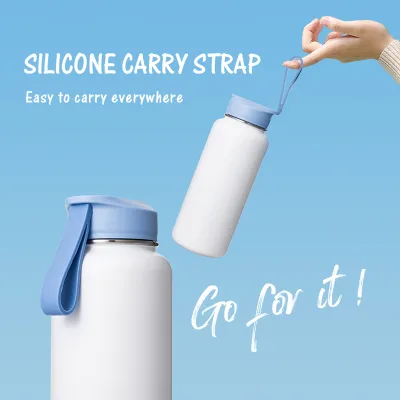
The lid mechanism is equally critical for a cycling application. The water flowing method observed in relevant listings includes both "Straw Type" and "Direct Drinking" options. For sport bike usage, a straw type may offer convenience during intense riding, while a direct drinking spout is often preferred for quick hydration without removing the bottle from the cage. The presence of a handle lid is another specific attribute to look for, as it facilitates one-handed operation and secure carrying when the bottle is removed from the bike. Additionally, the capacity range is a significant specification variable. Market data indicates capacities ranging from 12oz to 32oz, with specific models offering 20oz, 25oz, and 32oz options. The choice of capacity depends on the duration of the ride and the availability of water sources along the route.
Compliance and Certification Verification
In the B2B procurement of food-contact products, verifying compliance with international safety standards is non-negotiable. The supplied data highlights several certifications that serve as indicators of a supplier's adherence to quality and safety protocols. Key certifications to look for include FDA (Food and Drug Administration) and LFGB (German Food and Feed Code), which are essential for products entering the US and European markets respectively. Some listings also reference EEC, CE / EU, and CIQ (China Inspection and Quarantine) certifications, suggesting a broader compliance scope. For buyers targeting the USA and Europe, the presence of FDA and LFGB is the baseline requirement.
Beyond material safety, the quality management system is vital. The data mentions the AQL (Acceptable Quality Limit) standard, which is a statistical method used to determine whether a batch of products meets quality requirements. A supplier claiming AQL compliance should be able to provide documentation on their sampling plans and defect rates. Furthermore, ISO certification is noted in some product attributes, indicating a standardized approach to quality management systems. Buyers must request proof of these certifications rather than accepting them as mere marketing claims. The absence of specific certification details in a product listing should be treated as a red flag, requiring immediate clarification from the supplier before proceeding with an order.
Cost Drivers and Pricing Dynamics
Understanding the cost structure of insulated sport water bottles is essential for accurate budgeting and margin planning. The observed price range in the market spans from $0.35 to $8.00 USD per unit. This wide variance is driven by several factors, including the complexity of the manufacturing process, the thickness of the stainless steel, the quality of the insulation vacuum, and the sophistication of the lid mechanism. Products featuring "Injection & Ultrasonic" technology, as noted in the specifications, may command a higher price point due to the precision required in assembling the double-wall structure and sealing the lid.
The Minimum Order Quantity (MOQ) is another significant cost driver. The observed MOQ range is between 20 and 3,000 units. Lower MOQs, such as 20 or 500 pieces, are often associated with higher unit costs due to the setup costs for production lines and the lack of economies of scale. Conversely, larger orders of 3,000 units typically result in a lower per-unit price. Buyers must balance their inventory needs with cash flow constraints. Additionally, customization services, such as OEM for logo, color, and design, will add to the overall cost. The "Service" attribute explicitly mentions these customization options, which are standard in the industry but require additional tooling or setup fees. Buyers should also consider the packaging costs, as options range from simple carton boxes to more elaborate paper boxes, which can impact the final landed cost.
Typical Applications and Usage Scenarios
The versatility of the insulated sport bike water bottle extends beyond just cycling. The data indicates that these products are designed for a wide array of occasions, including travel, camping, and general outdoor activities. The "Usage" attribute lists "Gifts/Promotion" and "Outdoor," suggesting that these bottles are frequently used as corporate giveaways or promotional items for sporting events. The "Applicable User" is listed as "Unisex" and "Adults," confirming that the design is gender-neutral and suitable for a broad demographic.
For the specific use case of cycling, the thermal insulation performance is a key selling point. The ability to keep beverages cold for up to 24 hours or hot for extended periods is a direct result of the double-wall technology. This feature is particularly valuable for long-distance riders who may not have access to refrigeration or heating sources. The "Outdoor Activity" attribute specifically mentions "Camp," highlighting the product's suitability for camping trips where reliable hydration is essential. The "Boiling Water: Applicable" attribute further suggests that these bottles can handle hot liquids, making them suitable for travelers who need to carry hot tea or coffee. The design style, often described as "American Style" or "Sport/Gym/Outdoor," aligns with the aesthetic preferences of active consumers.
Supplier Evaluation and Production Capabilities
Evaluating a supplier for this product category requires a deep dive into their manufacturing capabilities and audit history. The data mentions a "Factory Audit" by BV (Bureau Veritas), a globally recognized inspection and certification company. This audit serves as a third-party verification of the supplier's production environment, labor practices, and quality control systems. Buyers should request the latest BV audit report to ensure the supplier maintains high standards. The origin of the products is listed as Zhejiang, China, and occasionally "Chian" (likely a typo for China), which is a major manufacturing hub for stainless steel products.
The production process involves specific technologies like "Injection & Ultrasonic" methods, which are used to create the double-wall structure and ensure a tight seal. Buyers should inquire about the supplier's capacity to handle these specific technologies and their experience with similar stainless steel products. The "Customization: Available" attribute indicates that the supplier is open to OEM and ODM services. However, buyers must verify the supplier's ability to handle the specific customization requirements, such as logo printing or color matching, without compromising the structural integrity of the bottle. The "Sample Time" of 5-7 days is a standard metric for evaluating supplier responsiveness. A supplier that can provide samples quickly demonstrates efficiency in their production workflow.
Quality Control and Long-Term Procurement
Quality control is paramount when sourcing insulated bottles, as defects in the vacuum seal or lid mechanism can render the product useless. The "Quality Standard: Aql" mentioned in the data implies a statistical approach to quality assurance. Buyers should establish a clear AQL level with the supplier, typically based on the severity of defects (critical, major, minor). The "Anti-Corrosion Coating" attribute varies between "Equipped" and "Not Equipped," which is a critical quality differentiator. For outdoor and cycling applications, an anti-corrosion coating is highly recommended to prevent rust and maintain the aesthetic appeal of the stainless steel over time. Buyers should explicitly specify their preference for coated or uncoated products in their purchase orders.
Long-term procurement considerations include the reliability of the supply chain and the consistency of product quality. The "Transportation" methods listed as "Air/Sea/Courier" offer flexibility, but buyers must consider the lead times associated with each method. Sea freight is cost-effective for large orders but has longer lead times, while air freight is faster but more expensive. The "prod_packing" details, such as "Carton Box" or "Paper Box," also play a role in logistics and storage. Buyers should ensure that the packaging is robust enough to protect the bottles during transit, especially given the fragile nature of the vacuum seal. Finally, the "Service" aspect, including OEM capabilities, should be evaluated for long-term partnership potential. A supplier that offers flexible design and color customization can adapt to changing market trends, ensuring a sustainable supply relationship.
Comparative Analysis of Product Attributes
To assist buyers in making informed decisions, the following table summarizes the key attributes observed in the product data, highlighting the variations and commonalities across different listings.
| Attribute Category | Observed Values | Procurement Implication |
|---|---|---|
| Material | Stainless Steel | Essential for durability and safety; verify grade. |
| Construction | Double Wall | Required for thermal insulation; single-wall is insufficient. |
| Insulation Time | 24 Hours | High-performance claim; verify via test reports. |
| Capacity | 12oz, 20oz, 25oz, 32oz | Match to target market needs; 32oz is common for sports. |
| Lid Type | Straw Type, Direct Drinking, Handle Lid | Select based on user preference and activity type. |
| Certifications | FDA, LFGB, CE, ISO, AQL | Mandatory for export; request certificates for verification. |
| MOQ | 20 - 3,000 Units | Lower MOQ increases unit cost; negotiate based on volume. |
| Price Range | $0.35 - $8.00 USD | Wide range; correlate price with features and MOQ. |
| Origin | Zhejiang, China | Major manufacturing hub; verify factory audit status. |
| Coating | Equipped / Not Equipped | Critical for corrosion resistance in outdoor use. |
This comparison underscores the importance of specifying exact requirements to avoid receiving products that do not meet the intended application standards. By carefully analyzing these attributes, buyers can ensure they source high-quality insulated sport bike water bottles that align with their business objectives and customer expectations.
FAQs
What certifications are required for this product?
FDA and LFGB certifications are essential for US and European markets. Some listings also include EEC, CE, CIQ, and ISO standards. Buyers must verify these documents before ordering to ensure compliance with food safety regulations.
How does the double-wall construction work?
Double-wall construction creates an air gap between inner and outer walls to prevent heat transfer. This design enables thermal insulation performance lasting up to 24 hours. It is a functional requirement for sport-grade containers to maintain beverage temperature.
Which capacity options are available for this bottle?
Available capacities include 12oz, 20oz, 25oz, and 32oz. Specific models offer 32oz or 20oz options. The choice depends on ride duration and water source availability along the route for optimal hydration management.
Can I customize the logo and design?
OEM services for logo, color, and design customization are available. Suppliers offer these options but may require additional tooling fees. Buyers should confirm specific customization capabilities and associated costs before placing an order.
What is the typical MOQ for this item?
The minimum order quantity ranges from 20 to 3,000 units. Lower MOQs like 500 pieces often result in higher unit costs due to setup fees. Larger orders typically achieve better per-unit pricing through economies of scale.
Where are these bottles manufactured?
Products originate from Zhejiang, China, a major manufacturing hub for stainless steel items. Some listings mention China generally. Buyers should request factory audit reports to verify production standards and quality control systems.
How long does it take to get samples?
Sample time is typically 5 to 7 days. This metric helps evaluate supplier responsiveness and production efficiency. Quick sample delivery indicates a streamlined workflow capable of meeting urgent procurement needs.